
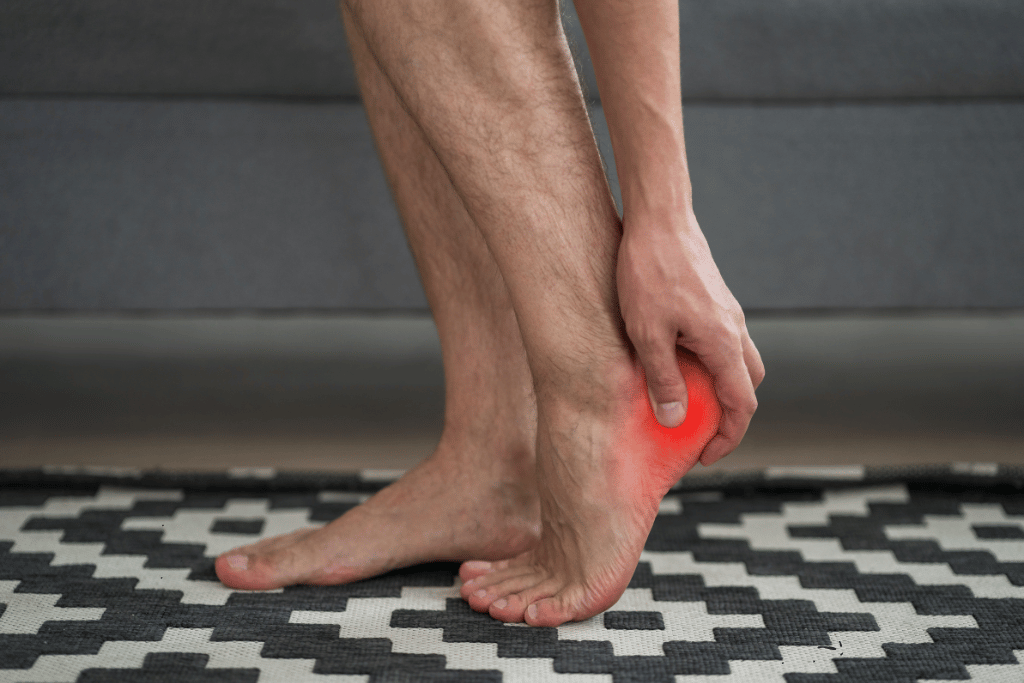
Heel pain is something many people in Lahore experience at some point in their lives. It can start suddenly when you wake up in the morning, after standing for long hours, or following routine walking or exercise. Because pain is sometimes linked to serious medical conditions, it’s understandable that some patients worry and ask an important question: Is heel pain a sign of cancer?
The reassuring truth is that heel pain is very rarely caused by cancer. In most cases, it is linked to common foot, nerve, or musculoskeletal problems that are treatable and not life-threatening. Still, knowing when heel pain is harmless—and when it needs medical attention—can help you protect your health and peace of mind.
Common Causes of Heel Pain (Not Cancer)
In Lahore’s busy lifestyle, long working hours, walking on hard surfaces, and lack of proper footwear are frequent contributors to heel pain. Some of the most common non-cancerous causes include:
Plantar Fasciitis
This is the most frequent cause of heel pain. It occurs when the plantar fascia—a thick tissue supporting the foot arch—becomes inflamed. Pain is usually sharp and most noticeable in the morning or after rest.
Heel Spurs
Heel spurs are calcium deposits that develop on the heel bone over time. They often occur alongside plantar fasciitis and can cause discomfort while walking or standing.
Achilles Tendinitis
Overuse or strain of the Achilles tendon can lead to pain at the back of the heel. This is common in people who suddenly increase physical activity or spend long hours on their feet.
Nerve-Related Pain
Nerve compression, such as tarsal tunnel syndrome or even lower back issues, can cause burning, tingling, or shooting pain felt in the heel.
Arthritis
Inflammatory or degenerative arthritis can affect the foot joints and lead to chronic heel pain, stiffness, and reduced mobility.
These conditions account for the vast majority of heel pain cases and are not related to cancer.
When Could Heel Pain Be Linked to Cancer?
Although rare, heel pain can be associated with cancer in specific and unusual situations.
Bone Tumors
Primary bone tumors affecting the heel bone (calcaneus) are extremely uncommon. When they do occur, the pain typically:
- Gets worse over time
- Persists even at rest
- Occurs during the night
- Does not improve with standard treatments
Cancer Spread to the Bone
In advanced cases, cancer from other parts of the body can spread to bones, including the foot. This is rare and usually happens in individuals who already have a known history of cancer, such as breast, lung, kidney, or prostate cancer.
In such cases, heel pain is not the only symptom and is usually accompanied by other warning signs.
Red Flags That Require Medical Attention
While most heel pain is harmless, you should seek medical evaluation in Lahore if heel pain is accompanied by:
- Pain that steadily worsens over weeks or months
- Pain that occurs at night or while resting
- Unexplained weight loss
- Persistent fatigue or weakness
- Swelling or tenderness that does not improve
- A personal history of cancer
These symptoms don’t automatically mean cancer—but they do mean the pain should not be ignored.
The Importance of Proper Diagnosis
Many patients try home remedies or painkillers for months without improvement. In some cases, heel pain may not even originate from the foot—it can be related to nerve irritation, spinal issues, or chronic pain pathways.
At PainSolutions by Dr. Ateeq Ur Rehman Ghafoor, patients in Lahore receive a detailed evaluation to identify the true source of pain. Accurate diagnosis is the foundation of effective treatment and long-term relief.
Advanced Non-Surgical Pain Management in Lahore
For patients whose heel pain does not respond to basic treatments, advanced pain management options can help—without surgery. Depending on the cause, treatment may include:
- Targeted nerve blocks
- Image-guided injections
- Minimally non-invasive pain procedures
- Chronic nerve pain management
- Specialized care for cancer-related pain
These approaches focus on reducing pain, improving mobility, and restoring quality of life.
Compassionate Care for Cancer-Related Pain
In the rare situations where heel pain is linked to cancer, managing pain becomes a critical part of care. Cancer-related pain can involve bones, nerves, and soft tissues and requires specialized expertise.
Dr. Ateeq Ur Rehman Ghafoor, an internationally trained Consultant in Pain Medicine, provides advanced, non-surgical pain management for cancer pain and complex nerve-related conditions—ensuring comfort, dignity, and personalized care for patients in Lahore.
Final Thoughts
Heel pain is almost never a sign of cancer. In most cases, it is caused by common, manageable conditions related to the foot, nerves, or musculoskeletal system. However, persistent or unexplained pain should always be evaluated by a specialist.
Early assessment can prevent unnecessary worry and help you access effective, long-lasting pain relief.
Book an Appointment
If you’re experiencing ongoing heel pain or unexplained discomfort in Lahore, don’t wait for it to get worse. Professional evaluation can help identify the cause and guide you toward safe, non-surgical relief.
📞 Call 0334-111-4212 to book your appointment today with PainSolutions by Dr. Ateeq Ur Rehman Ghafoor and take the first step toward lasting pain relief.